Three-Phase Pad-Mounted Transformer Series: Basic Concepts And Structure
Three-Phase Pad-Mounted Transformer: Definition, Characteristics and Applications
1. Definition
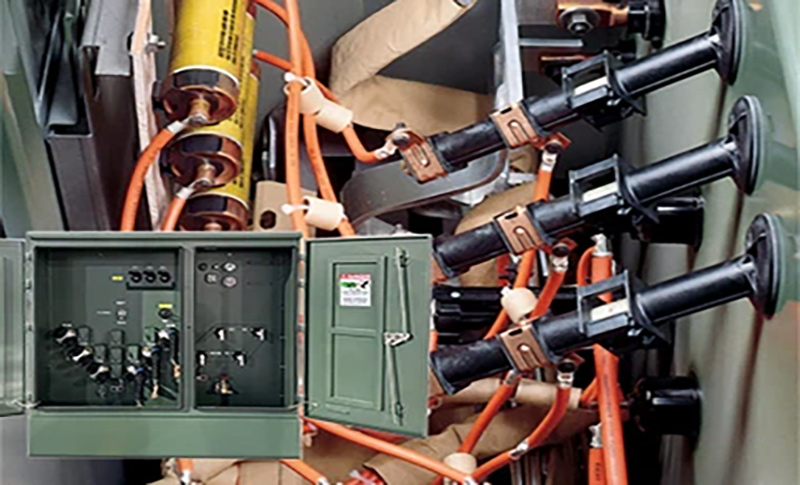
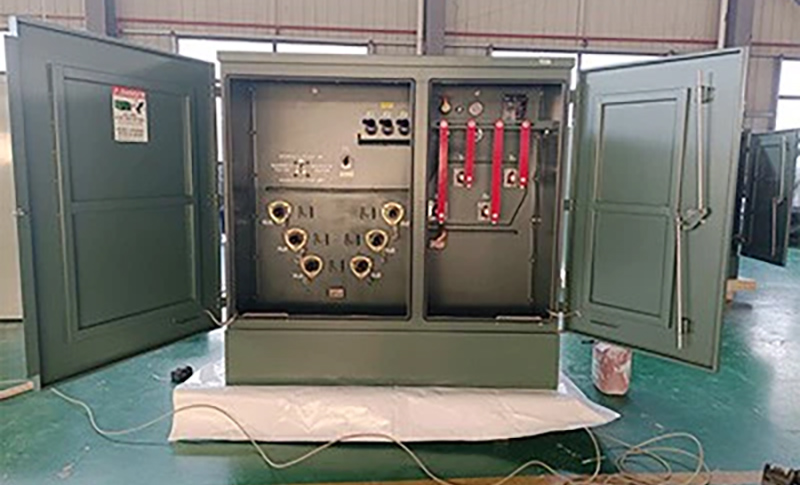
A three-phase pad-mounted transformer is a ground-mounted power distribution transformer that is installed in a locked steel cabinet and fixed on a concrete base. All live connection points are securely enclosed in a grounded metal housing, eliminating the need for a fenced protective area during installation.
Typically deployed at service branch points of underground power distribution lines, these transformers reduce the main line voltage to a lower secondary voltage, which is then delivered to end users. A single unit is capable of supplying electricity to a large building or multiple residential households.
2. Characteristics
- Compact Design – Space-saving structure, adaptable to various installation environments.
- High Safety – All live components are fully enclosed in a grounded metal housing, effectively preventing electric hazards.
- Installation Flexibility – Suitable for public spaces and can be installed without the need for protective fencing.
- Built-in Protection Device – Equipped with integrated protection components to enhance operational reliability and overall performance.
- Easy Maintenance – Features simple access design and streamlined servicing procedures, reducing maintenance effort and costs.
3. Applications
- Residential Developments
- Commercial Complexes (including shopping malls, office buildings, and hotels)
- Industrial Facilities (such as factories, warehouses, and data centers)
- Renewable Energy Projects (solar power, wind power, and Battery Energy Storage Systems (BESS))
- Utility and Municipal Distribution Systems
- Transportation Hubs (airports, railways, etc.)